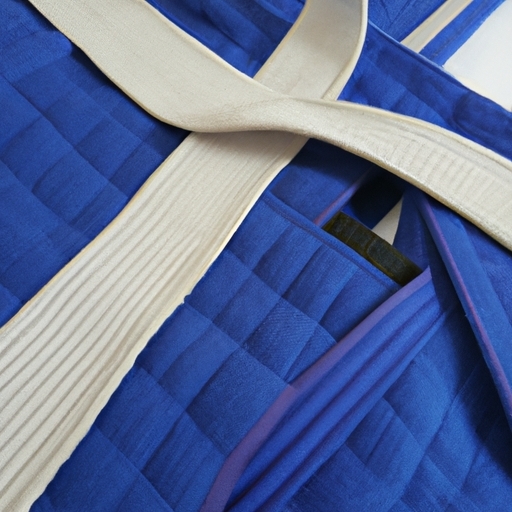
Historic context of gi shades in Judo competitions
The history of judo uniforms, referred to as gi, is soaked in custom and practicality. What is the Secret Behind the Unstoppable Judo Champions? It's Done in Their Blue Gi-- Discover Why! . Stemming from the Japanese martial art established by Jigoro Kano in the late 19th century, the judo gi was at first white, representing purity and simpleness, adhering to the principles of several conventional fighting styles. For years, judo experts educated and competed exclusively in white gis, developing a sense of uniformity and respect for the sport's heritage.
However, the historic context of gi shades in judo competitors took an essential turn in the late 20th century. In an initiative to make judo more spectator-friendly and less complicated to adhere to during competitors, the International Judo Federation (IJF) introduced blue gis in the 1986 Globe Judo Championships in Maastricht. This choice was largely for the benefit of the audience and umpires, as it enabled them to distinguish rivals during suits a lot more conveniently.
The introduction of heaven gi marked a considerable modification in the visual dynamics of judo competitions. With one rival outfitted in white and the various other in blue, it became less complex for umpires to score points and for the audience to understand the circulation of the match. This change was not without dispute, as some traditionalists really felt that the intro of a second shade thinned down the purity of the sporting activity. Nonetheless, the practical benefits triumphed, and blue gis became a pillar in international judo competitors.
It's within this historic context that we can explore the interesting concept that the shade of a judo gi may hold a trick to success. The concept of a blue gi benefit is a reasonably current notion and not one rooted in the practices of judo. Some might suggest that the color of the gi has emotional implications, potentially affecting the mindset and confidence of the professional athlete wearing it or affecting the understanding of umpires and spectators.
Could the contrast of heaven gi against the typical tatami mat offer a competitor with a visual edge? Does the color blue task a feeling of calmness and control that could subtly affect a match's outcome? These inquiries explore the psychological and strategic components that extend beyond the physical techniques of judo.
While there is no scientific proof to sustain the concept that a blue gi adds to an unstoppable judo champion, the idea is an interesting blend of sporting activities psychology and cultural development within martial arts. The unstoppable judo champs are most likely a product of their strenuous training, technical proficiency, critical acumen, and psychological stamina.
Emotional effect of heaven gi on athletes and challengers
The Secret Behind the Unstoppable Judo Champions: The Emotional Effect of heaven Gi
The shade of an athlete's uniform is an information that may appear minor initially look, however delve a little much deeper, and you'll uncover a sea of psychological effects that can dramatically influence the outcome of affordable sporting activities. In judo, a fighting style where psychological determination is as vital as physical prowess, the shade of a gi (the conventional judo uniform) can be a game-changer. So, what is the secret behind the unstoppable judo champions? Possibly, it's concealed in the fibers of their blue gi.
Heaven gi is not simply an item of clothes; it is a psychological weapon. Color psychology suggests that different shades can stimulate various emotions and behaviors in people. Blue is often connected with calmness, stability, and strength. For the athlete wearing heaven gi, these organizations can be internalized, improving their confidence and focus. The color blue can function as a mental shield, enhancing the professional athlete's willpower and composure throughout a match.
Yet the mental impact does not end with the wearer. The opponent encountering a judoka in blue may experience a various set of psychological results. Blue, being a cool and commanding shade, may accidentally enforce a feeling of supremacy or intimidation. It might potentially result in a psychological block or hesitation in the opponent, especially if they hold any kind of subconscious predispositions in the direction of the shade. This split-second of uncertainty can be all that is required for the blue-gi judoka to perform a winning relocation.
The influence of heaven gi could likewise include the viewers and umpires. Courts could subconsciously perceive the athlete in blue as even more reliable or experienced, potentially swaying their judgment in close telephone calls. Viewers, on the various other hand, could rally much more behind the blue-gi athlete, buoyed by the color's universal charm and the commanding existence it conveys.
Moreover, the phenomenon of enclothed cognition recommends that the clothes a person wears can influence their mental processes. For a judoka, using a blue gi could instill a feeling of pride and power straight related to the garment itself. The very act of putting on the gi might set off a change in state of mind, preparing the professional athlete for fight and success.
To conclude, the secret behind unstoppable judo champs might well hinge on the psychological nuances of their blue gi. While the top quality of training, skill degree, and physical fitness are undoubtedly the primary components of success in jud
Analytical analysis of suit results based on gi shade
The fascinating world of judo has long celebrated the ability, strategy, and psychological expertise of its professional athletes. Yet could there be one more, much more refined factor affecting match outcomes? Recent statistical evaluation suggests an interesting opportunity: the shade of a judoka's gi might contribute in their success on the tatami. This essay delves into the tricks behind the unstoppable judo champions, checking out the hypothesis that putting on a blue gi could give competitors a side.
In the world of competitive judo, professional athletes traditionally put on either a white or blue gi throughout suits. This shade difference aids referees and spectators in comparing both competitors. Nevertheless, as scientists started to look at the data, a curious pattern arised. Statistically, judokas donning blue gis appeared to win a disproportionately greater number of suits compared to those in white gis.
One concept behind this sensation is rooted in psychology. Color assumption can affect an individual's feelings and behaviors, and it is well-documented that blue shades are connected with calmness, focus, and security. When a professional athlete really feels a lot more centered and made up, their efficiency may improve, permitting them to respond better to their challenger's moves and implement their techniques with greater accuracy.
One more consideration is the comparison result. Versus the background of the yellow-tinted tatami, a blue gi sticks out much more starkly than a white one. This might cause much better exposure for the athlete in blue, giving them with a split-second advantage in timing and spatial judgment. Their movements might be much easier for referees to see and score, subtly tipping the scales in their favor.
In addition, the shade blue could potentially have an effect on the opponent. If blue is viewed as a much more leading or authoritative color, competitors dealing with a blue-gi-clad challenger could experience mild scare tactics or psychological unease, also on a subconscious degree. This can bring about hesitancy or errors, offering the blue-gi athlete a competitive advantage.
It deserves keeping in mind, of course, that shade alone is not likely to turn an amateur judoka into a champ. The skill, technique, and dedication needed to excel in judo can not be understated. Nonetheless, if the statistical analysis indicate a consistent advantage associated with blue gis, it would certainly be a fascinating addition to the calculated considerations of the sporting activity.
To conclude, while the trick to becoming an unstoppable judo champ certainly hinges on years of strenuous training and psychological perseverance, the impact of gi color must not be dismissed. The statistical evaluation of
The function of superstitious notion and routine in professional athlete efficiency
The globe of competitive sporting activities is loaded with professional athletes that display phenomenal abilities, unwavering resolution, and the ability to overcome enormous pressure. Among these athletes are judo champs, whose expertise on the mat appears practically unstoppable. An interested viewer might wonder: what is their trick? Some associate their success to extensive training and technique, but there is another, extra enigmatic aspect at play-- the role of superstition and routine in their performance, especially the significance of their blue gi (judo attire).
Superstitions and rituals are prevalent in sports. Athletes usually engage in certain routines or hold particular ideas that, although scientifically unproven to boost efficiency, provide mental convenience and security. A judoka tipping onto the mat in a blue gi may really feel a rise of confidence, not due to the fact that the shade itself has any kind of physical impact on their efficiency, yet because it has actually ended up being an icon of toughness, success, or good luck in their mind.
The human mind is extremely effective in influencing efficiency. When a professional athlete thinks that a specific ritual, such as wearing a lucky beauty or doing a particular sequence of motions before a suit, will certainly improve their chances of winning, this idea can materialize as increased focus, decreased anxiety, and an extra favorable frame of mind. Heaven gi might work as a tangible pointer of past victories or a representation of an athlete's identification and one-of-a-kind journey in the realm of judo. It comes to be an emotional armor that prepares them for the fight in advance.
In addition, the shade blue might be related to calmness and quality, high qualities that are essential throughout high-stress competitors. While the challenger in a white gi may be equally as skilled and identified, the judoka in blue may really feel a subconscious guarantee, a silent whisper that today, the triumph will be theirs. This confidence can convert into a much more kicked back and regulated efficiency, which is often the trademark of a champion.
The unstoppable judo champions may certainly have an ace in the hole, yet it is not woven right into the textile of their blue gi. Instead, it is embedded in the routines and superstitions that mask their minds in an undetectable, yet unshakeable belief in their very own abilities. The blue gi is not a source of magic; it is a canvas on which the tales of triumphs and beats are painted, a garment that has become intertwined with the athlete's individual narrative and mental prep work.
To conclude, the secret behind the unstoppable judo champs might quite possibly depend on the psychological results of their superstitious notions and rituals, especially relating to
Educating differences and prep work techniques for champs
The world of judo has long been enthralled by the sight of champs who apparently have an unstoppable force, dominating the tatami with an elegance and power that sets them aside from their peers. Yet what is the secret behind these judo maestros who wear their blue gi with such difference? The answer lies not in the color of their outfit but in the extensive training distinctions and careful preparation methods they utilize.
First and foremost, judo champs recognize that the foundation of their toughness hinges on understanding the basics. They spend numerous hours perfecting the essential strategies, referred to as Kihon in Japanese. This commitment to the essentials guarantees that their judo is not only reliable however additionally adaptable to any kind of scenario that may occur during a round.
Nonetheless, it is not just the amount of training that establishes these champs apart, yet the top quality as well. High-level judokas typically take part in specialized training programs tailored to their specific demands and toughness. This might include a focus on boosting their gripping strategies, which are crucial in obtaining take advantage of over a challenger, or boring transition motions that enable seamless switches between standing and groundwork.
In addition, judo champions invest heavily in physical conditioning. Strength, agility, and endurance are vital parts in a sport that requires eruptive power for tosses and the strength to withstand arduous matches. Lots of champions comply with stamina and conditioning programs that are as extensive as those of specialist athletes in various other sports, ensuring their bodies are as prepared as their methods.
Psychological preparation is an additional vital element that can not be neglected. Judo champions commonly deal with sports psycho therapists to develop the psychological toughness called for to face any type of obstacle on the floor covering. Visualization methods, stress and anxiety monitoring, and cognitive training are all component of the mental collection of a judo champ.
One distinct element of judo training that contributes to the production of champions is the concept of Randori, or complimentary sparring. This permits judokas to test their skills versus resisting challengers in a setting that mimics real competitors. Champions usually take part in randori with partners of different dimensions and ability levels, which sharpens their capacity to adapt and apply methods under pressure.
The prep work methods of judo champions also extend to their diet plan and recuperation regimens. Nutrition is customized to maximize performance and recuperation, while appropriate remainder and healing methods such as physical rehabilitation, massage therapy, and cryotherapy are included to stop injuries and make certain the body is in peak problem for competitors.
Ultimately, judo champs often have access to elite training and assistance teams
Specialist viewpoints on the impact of outfit in affordable Judo
The significance of Judo, a fighting style soaked in practice, discipline, and approach, extends far beyond simple physical expertise and technique. Among the myriad of variables adding to the production of an unstoppable Judoka, an instead intriguing component has actually been the subject of discussion and specialist evaluation: the impact of the Gi shade, particularly the blue Gi, on affordable outcomes.
The Judo Gi, the typical consistent worn by professionals, is not only an icon of the sporting activity however a functional device within the competitive sector. Typically, Judokas competed in white Gis. Nevertheless, in the 1986 World Judo Championships, a speculative use blue Gis was presented to help spectators and umpires differentiate competitors throughout matches. This practice was later taken on officially, and ever since, athletes have actually commonly had 2 Gis: one white, one blue.
So, what is the secret behind the champs who don blue? Some specialists think that the shade of the Gi may have a psychological influence on both the competitor wearing it and their challenger. Blue is often associated with sensations of calmness and stability but additionally stands for toughness and confidence. A professional athlete wearing a blue Gi might feel a mental increase, a kind of 'shield result', feeling even more encouraged and leading in the competitive setting.
Moreover, various other experts suggest that the blue Gi might use an one-upmanship in terms of presence. A blue Gi contrasts dramatically with the regular yellow tatami floor coverings used in Judo competitors, possibly making it more difficult for challengers to determine activity and range. This contrast can work to the benefit of the blue-clad Judoka, that may be far better able to camouflage or disguise their assault strategies, making their activities less predictable and tougher to counter.
Furthermore, the understanding of the referees and courts may additionally be subtly affected by the color of the Gi. Despite the fact that umpires are extremely trained to be neutral, the high contrast of the blue Gi against the mat can make methods show up even more forceful and efficient, potentially swaying close calls in racking up.
In spite of these theories, it is necessary to identify that the Gi shade alone does not make a champion. The core of Judo remains in the proficiency of methods, the tactical application of force, and the mental determination of the Judoka. The relentless quest of perfection in tosses, holds, and entries incorporated with strenuous physical fitness and psychological preparation are crucial elements planned of an unstoppable champ.
To conclude, while heaven Gi may use certain mental and aesthetic advantages that are remarkable to